


New York City Is Building More Housing — But a Broken System Is Keeping People Out of It
New York City saw a dramatic surge in new construction permits in Q1 2026, nearly doubling the prior year's pace. At the same time, a new report found that newly built affordable apartments sit empty for a median of 439 days before being filled. This post looks at both sides of the city's housing supply story — the real progress being made and the bureaucratic gridlock preventing it from reaching the people who need it most.
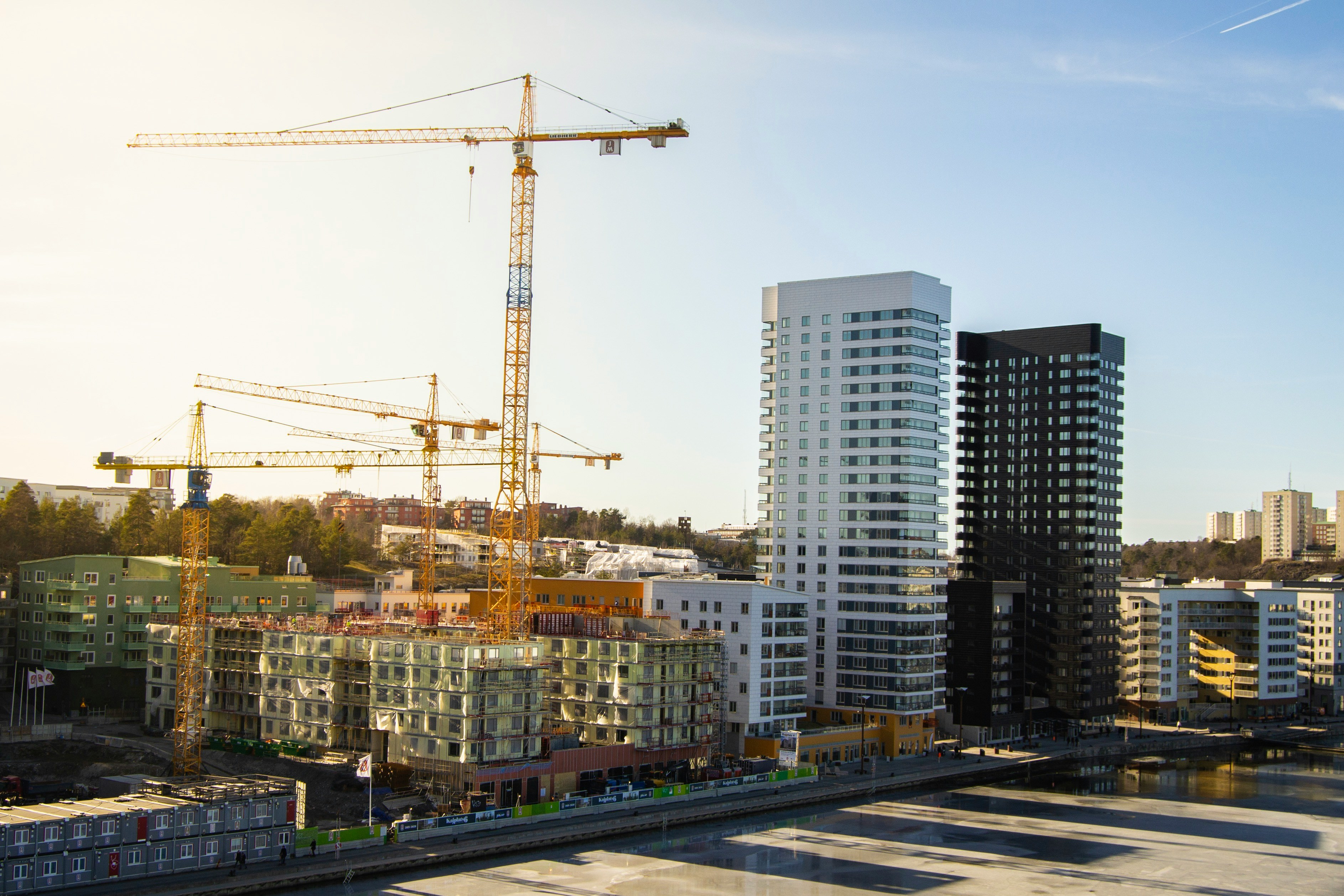
New York City's housing shortage is one of the most documented problems in American urban policy. The data behind it is striking: from 2010 to 2023, housing supply in the city increased by just 4% while jobs increased by 22%. The gap between those two numbers explains most of what renters, buyers, and landlords are navigating right now — not just in terms of price, but in terms of the daily competition for a unit, the length of vacancy between tenants, and the general scarcity that shapes every transaction in the market.
In 2026, something meaningful is finally changing on the supply side. But the full picture is more complicated than the permit numbers suggest, and the complication is entirely self-inflicted.
The Construction Surge Is Real
New York YIMBY's Q1 2026 construction report, drawing on Department of Buildings permit filings, found that the combined residential and hotel unit total for Q1 2026 was 28,773 — nearly double the prior year's average quarterly tally of 14,338. The by-borough numbers are even more striking. The Bronx saw a 100% year-over-year increase in filed units, from 3,677 to 7,344. Manhattan saw a near-quadrupling, up 289% from its prior-year quarterly average. Brooklyn and Queens also posted meaningful gains.
The driver behind this surge is the City of Yes for Housing Opportunity — a sweeping zoning reform passed by the City Council in December 2024 that unlocked residential development capacity across the city. The legislation permits more density near transit, allows accessory dwelling units in single-family zones, and removes some of the most restrictive barriers to mixed-use development that had prevented new housing from getting off the ground for years. A year after passage, the permit data suggests it is working — at least at the filing stage.
Mayor Mamdani's administration has also moved quickly on the supply side. The Block by Block housing plan, released in May 2026, commits to constructing 200,000 new affordable homes and includes a $5.6 billion investment in NYCHA improvements, a Construction Justice Act establishing a $40 per hour minimum wage for workers on city-financed projects, and land use reforms aimed at lowering construction costs and reducing development timelines. On day one of his administration, Mamdani also convened the SPEED Task Force — a cross-agency group charged with streamlining the permitting and approvals process that has historically been one of the biggest obstacles to getting housing built and leased.
Governor Hochul has been pushing in the same direction at the state level. Among the most consequential actions: a request for proposals to build 300 homes on an underutilized MTA-owned lot in Crown Heights, Brooklyn, enabled by the 2025 Atlantic Avenue Mixed-Use District rezoning — an example of the transit-oriented, state-land development approach that Hochul has been pursuing across the five boroughs.
The Part Nobody Talks About: Finished Units Sitting Empty for Over a Year
Here is the part of the housing supply story that doesn't get told alongside the permit numbers. A report from Enterprise Community Partners, analyzing over 4,500 affordable apartments across 50 New York City projects, found that a median of 439 days passed between when apartments were finished and when they were fully leased up. To put that in plain terms: newly built affordable housing in New York City sits empty for more than a year on average before reaching the people it was built to serve.
The cause is not a lack of applicants. A building in Inwood with nearly 700 units — about 40% of them affordable — received 70,000 applications for its 281 affordable apartments through the housing lottery. Seven months after opening, just 168 of those affordable units had tenants. The problem is the approval process: multiple layers of bureaucracy, centralized lottery systems that process applications slowly, and HPD review timelines that can stretch to 210 days or more just for approvals. Developers cited long processing times and layered bureaucracy as the most common roadblocks to filling buildings. "Broadly speaking, let affordable housing owners just fill these buildings with people in need," one policy director said plainly.
This is the central absurdity of New York City's housing situation in 2026. The city is experiencing one of its worst housing shortages in decades, with rents at record levels and over half of renters cost-burdened. At the same time, finished affordable apartments stand vacant for over a year because the administrative process for placing a tenant takes longer than it takes to build some buildings.
What the Supply Picture Means for the Broader Market
For property owners and investors, the construction surge matters even if most of the new units won't reach the market for another year or two. When new housing is built at sufficient scale, it creates vacancy chains — a higher-income household moves into the new unit, their previous apartment gets re-rented to the next household, and the effect ripples down through the market, eventually reaching lower-income renters. That's the mechanism by which new construction — even luxury construction — can ease pressure on the broader rental market over time. New York has not been building enough for that mechanism to work. The Q1 2026 numbers suggest that may be starting to change, but the pipeline from permit filing to completed, occupied unit is long, and the bureaucratic delays documented in the affordable sector affect market-rate development too, just in different forms.
Other cities prove that scarcity is a choice. Tokyo adds roughly 80,000 homes a year — two to three times New York's pace — and rents there stay moderate. Austin expanded its housing stock by 14% in two years and saw rents fall 22%. Auckland upzoned transit corridors and saw a construction boom that flattened rents within three years. New York has the political will, the zoning reform, and the development pipeline. What it still needs is a government process fast enough to turn permits into occupied apartments before the next affordability crisis compounds the current one.
For owners and tenants navigating the market as it actually exists today — not as it might look in three years when the City of Yes pipeline matures — the near-term supply picture remains tight. New units are coming, but the relief won't arrive quickly enough to change conditions this summer or this fall. Rental demand is high, vacancy is low, and the competition for available units will remain intense heading into the fall leasing season. At Dover Property Group, we help owners and tenants make decisions based on current market conditions, not on supply projections that are still years away from delivery.
Sources: New York YIMBY — Q1 2026 Construction Report · NYC Mayor's Office — Block by Block Housing Plan May 2026 · Governor Hochul — RFP for 300 Homes on MTA Property in Crown Heights · The City — In NYC's Brutal Housing Crunch, Finished Affordable Units Often Sit Empty for Months · Wikipedia — New York City Housing Shortage · Citizens Budget Commission — A Building Crisis: Effects of Housing Underproduction · Vital City — New York's Housing Crisis: Self-Inflicted and Solvable