


NYCHA Needs $78 Billion to Fix Its Buildings — The City Is Offering $5.6 Billion. Here's What Happens to the Half Million People in Between.
NYCHA's 177,000 apartments house over 500,000 New Yorkers across 335 developments. The authority's own physical needs assessment puts the repair bill at $78.3 billion. The city's five-year capital plan covers $5.6 billion of it. This post breaks down what that $72 billion gap means for residents, what the Mamdani administration's plan actually proposes to do about it, and why the NYCHA crisis is inseparable from the city's broader affordability emergency.
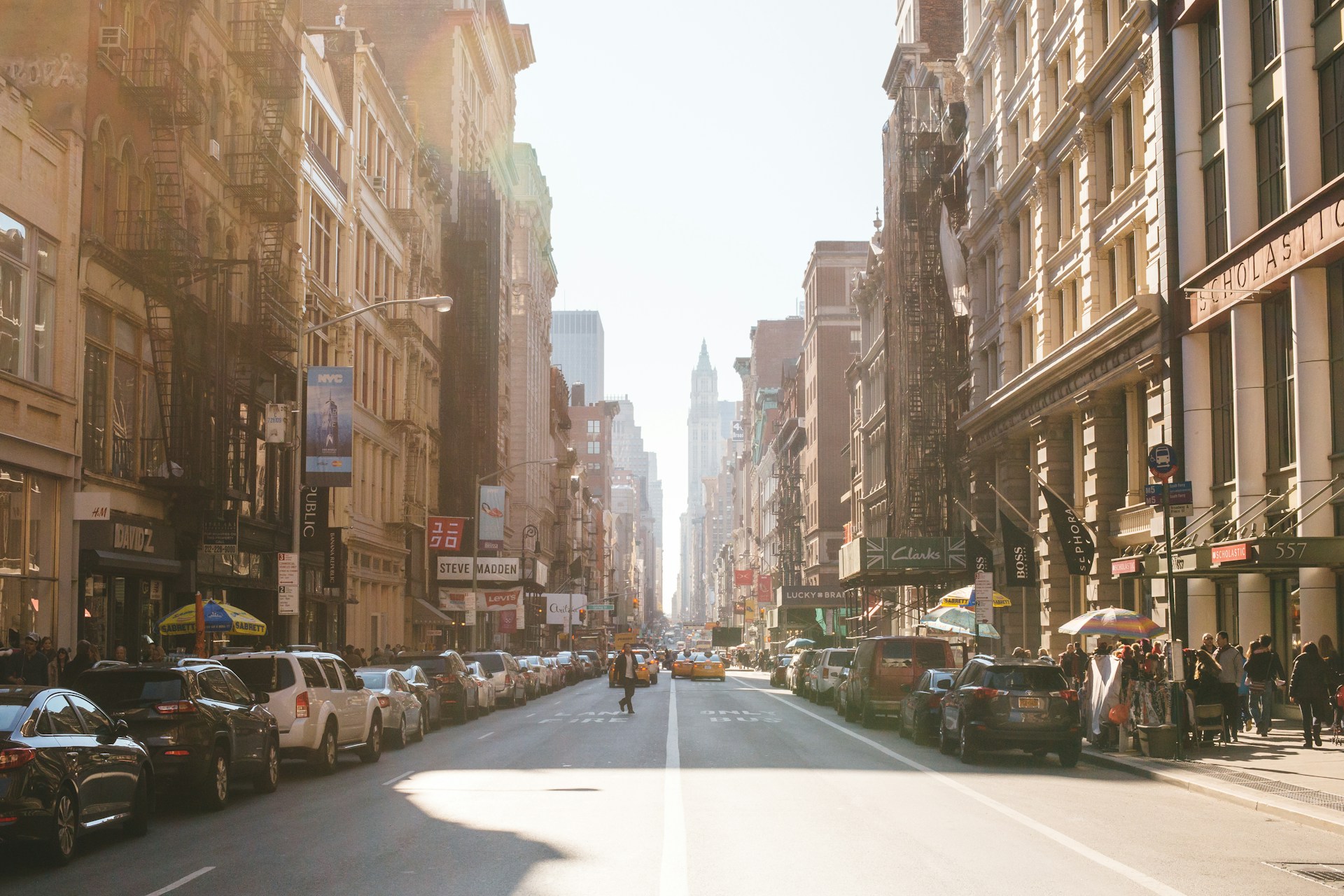
The New York City Housing Authority is the largest public housing system in North America. It houses more than 500,000 people across 177,000 apartments in 335 developments throughout all five boroughs. It is also one of the most underfunded large public institutions in the United States, operating with infrastructure conditions that have deteriorated for decades while the federal, state, and city funding needed to address them has never arrived at sufficient scale.
The most recent physical needs assessment, updated in 2026, puts the repair bill plainly. NYCHA's developments presently require more than $78 billion in capital investment due to decades of insufficient funding and deferred maintenance. The money is mostly needed to fix individual units, heating and plumbing systems, and building exteriors across the aging campuses — with estimated costs reaching about $485,000 per unit. The Mamdani administration's five-year capital plan for NYCHA covers $5.6 billion of that need. The gap between what NYCHA requires and what has been committed is approximately $72 billion.
That gap is not an abstraction. It is the reason elevators break and stay broken for weeks. It is the reason mold appears in bedrooms and bathrooms and doesn't get fully remediated. It is the reason heating systems fail in January and tenants call HPD. It is the reason 6,088 NYCHA apartments are currently sitting vacant — not because there are no tenants who need them, but because they require repairs that the authority does not have the money to complete.
How NYCHA Got to $78 Billion
NYCHA's 2023 Physical Needs Assessment estimates 20-year capital needs of $78.3 billion across the 264 public housing properties it directly manages — a 73% increase from 2017, when the authority assessed a $45.3 billion need. That acceleration reflects two compounding forces: rising construction costs, which have increased the price of deferred repairs faster than the repairs were being made, and the continued deterioration of buildings that were already aging when the assessment was last conducted. A roof that needed work in 2017 at a certain cost is more expensive in 2026 — and if it hasn't been addressed in the interim, the damage beneath it has likely worsened.
The federal funding picture is the original source of the problem. NYCHA was built and maintained for decades on the assumption of consistent federal capital support through HUD. That support began declining in the 1990s and has never recovered. NYCHA's 335 developments currently face a $200 million annual operating deficit starting in 2026, compounded by the $78 billion capital shortfall. The Trump administration's proposed 42% federal cut to housing assistance funding could devastate operations further — a threat that arrived at the same moment as the Emergency Housing Voucher crisis covered in an earlier post in this series, and that would compound an already severe funding problem with cuts to the operating budget that keeps existing NYCHA staff and services running.
The 2026 NYCHA budget reflects the strains from all sides. The total adopted budget is $13.55 billion — $5.57 billion operating and $7.79 billion capital over five years. In FY 2026, approximately 2,928 vacant apartments will require asbestos abatement alone, reflecting a continued upward trend in the scope of work needed just to prepare units for occupancy. The asbestos figure is particularly striking: more than a quarter of the 6,088 vacant units require hazardous materials remediation before they can be offered to the 200,000-plus households on NYCHA's waiting list.
What the Mamdani Administration Is Proposing
The Mamdani administration's Block by Block housing plan, released in May 2026, includes the most detailed NYCHA strategy the city has put forward in years. The plan proposes to fix leaks and address mold, improve elevator performance, support NYCHA resident engagement, accelerate the readiness of vacant units, and explore new models of affordable housing development on NYCHA land. The administration's budget includes $5.6 billion for NYCHA over five years — the largest five-year capital commitment in recent history — including $2.8 billion for PACT conversions and $2.8 billion for conventional public housing.
The PACT program — Permanent Affordability Commitment Together — is the primary vehicle through which NYCHA has been modernizing its most distressed developments. NYCHA is already planning to preserve 62,000 units through PACT and 25,000 units through the Preservation Trust. The mayor's plan describes Comprehensive Modernization as "not a scalable alternative to PACT or the Trust for delivering capital investment without a significant infusion of additional federal funding." About 25% of the portfolio — roughly 44,600 units — has already been renovated or has a defined path to renovation. That leaves approximately 75% of the portfolio without a funded renovation plan.
The PACT model is not without controversy. As covered in an earlier post in this series, the PACT program was also the source of the paperwork processing failure that caused Section 8 terminations to surge nearly 2,000% in a single year — an administrative breakdown that triggered eviction notices for hundreds of tenants who had paid their rent on time. The program's goal of pairing private management with public ownership to unlock renovation financing is sound in theory. Its execution has been uneven, and the residents of Linden Houses, Boulevard Houses, and Penn-Wortman Houses who received eviction notices in 2025 and 2026 are a reminder that the transition between management regimes carries real risk for real people.
The 6,088 Vacant Units and What They Represent
Among the most striking figures in NYCHA's 2026 picture is the number of apartments sitting empty while more than 200,000 households wait for public housing. 6,088 NYCHA units remain vacant, with a $374 million investment targeting turnover — meaning NYCHA has set aside $374 million specifically to bring vacant units back to rentable condition. At an average cost of roughly $61,000 per unit in that program, the pace of restoration is constrained by both capital availability and the scope of work required for each unit.
Those 6,088 vacant units represent something specific about the nature of New York City's housing crisis that often gets missed in the conversation about new construction and market rents. The city is not short of physical housing structures. It is short of housing structures in rentable condition. The gap between a vacant NYCHA apartment and a habitable one is measured in money — money for asbestos abatement, plumbing repair, electrical work, window replacement, pest remediation, and the basic capital investment that decades of insufficient funding have made necessary before a unit can be safely occupied. Closing that gap is not a land use or zoning question. It's a funding question.
Why the NYCHA Crisis Is Inseparable From the Broader Affordability Emergency
NYCHA's 177,000 apartments house approximately 8% of New York City's renters. They do so at rents that are, in most cases, a fraction of what the market charges — because public housing rents are set at 30% of household income, not at the market rate. In a city where market rents have risen 35% above pre-pandemic levels and the vacancy rate is 1.4%, NYCHA housing represents the most accessible affordable housing that exists at any meaningful scale.
Every NYCHA unit that sits vacant due to deferred maintenance is not just a missed opportunity for one household. It is a removal from the affordable housing stock that cannot be replaced by any combination of new market-rate construction or voucher programs at equivalent cost. Building a new affordable unit in New York City costs between $400,000 and $700,000 per apartment when all-in development costs are included. Repairing an existing NYCHA unit costs approximately $485,000 per unit on average — roughly the same, but without the need to acquire land or complete a full development process.
The case for investing in NYCHA is not primarily a social services argument, though the human stakes are real and the people living in deteriorating conditions deserve better. It is an efficiency argument. Existing public housing, repaired and maintained, is the most cost-effective source of affordable housing New York City has. At Dover Property Group, we work with tenants and building owners across all five boroughs and understand how the condition of public housing affects the broader private rental market — both in the neighborhoods where NYCHA developments anchor the housing stock and in the city-wide affordability picture that shapes demand for every rental unit we manage. If you want to understand how NYCHA's trajectory affects your neighborhood or your assets, our team is glad to walk through it with you.
Sources: NYCHA — Modernizing NYCHA Properties · NYCHA — 2026 Budget Book and Annual Plan · Gothamist — NYC Public Housing Agency Says It Needs $78 Billion for Repairs · amNewYork — NYCHA Seeks $78 Billion for Critical Repairs · New York Housing Conference — Mayor Mamdani Announces Housing Plan · BKREA — July 2026 Development Newsletter · Andrew Cuomo — $2.5 Billion NYCHA Revitalization Plan
About the Author
Dover Property Group is a New York City property management firm working with building owners and tenants across all five boroughs. Our team tracks market conditions, compliance requirements, and neighborhood-level trends to help owners protect their assets and tenants navigate one of the most complex rental markets in the country.