


NYC's Rental Vacancy Rate Is 1.4% — The Lowest Since 1968 — And What That Number Actually Means
Only 33,210 apartments are available for rent across New York City's 2.36 million rental units. For units under $1,100 per month the vacancy rate is 0.39%. This post breaks down what the city's historic vacancy crisis looks like by price tier and borough, why it isn't improving despite record construction, and what it means for both tenants and building owners navigating the market right now.
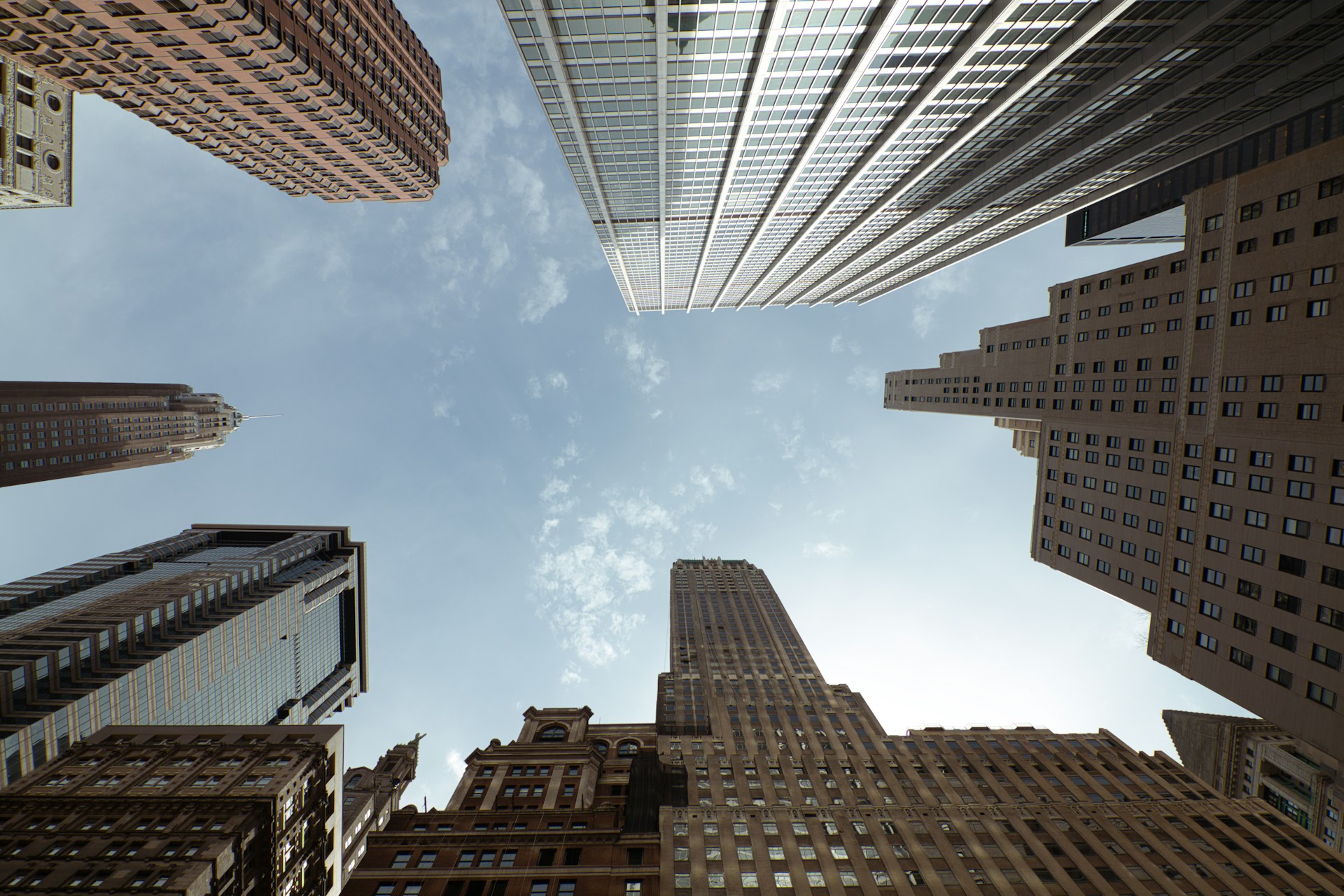
There are 2,357,000 rental units in New York City. As of the most recent Housing and Vacancy Survey, only 33,210 of them were available for rent. That's a vacancy rate of 1.4% — the lowest recorded since 1968 and less than a third of the 5% floor that housing economists consider the minimum for a healthy rental market. A vacancy rate below 5% legally constitutes a housing emergency in New York City — the threshold that triggers and justifies the continued existence of the rent stabilization system. At 1.4%, New York isn't just in a housing emergency. It's in a historic one.
That single number — 1.4% — is the foundation beneath every other housing story in this city. It explains record rents, furious competition for available units, the political pressure behind the rent freeze, the rationale for Fix the City, and why tenants report feeling that there is simply nowhere to go when their current situation becomes untenable. Understanding what it means in practice, across price tiers and boroughs, is essential for anyone navigating the market on either side of a lease.
What the 1.4% Looks Like at Different Price Points
The 1.4% city-wide figure already sounds dire. The breakdown by rent level is worse. For apartments renting under $1,100 per month, the vacancy rate is just 0.39% — meaning fewer than 4 in 1,000 units at that price are available at any given time. For units between $1,100 and $2,400, the rate is below 1%. The only tier with a vacancy rate approaching functional is units renting above $2,400, where availability sits at 3.39% — still below the 5% threshold, but at least in a range where tenants have a meaningful chance of finding options.
This stratification tells a specific story about who the vacancy crisis is actually hitting hardest. Affluent renters — those competing for $3,000, $4,000, $5,000-per-month apartments — are in a tight market. Low and moderate income renters competing for anything under $2,400 per month are in a near-total lockout. Among households earning less than $50,000 per year without rental assistance, 86% are rent-burdened, spending more than 30% of their income on rent. Among those earning under $25,000, 86% are severely rent-burdened, spending more than half their income on housing. The vacancy crisis and the affordability crisis are not two separate problems. They are the same problem expressed in two different metrics.
A striking data point from Realtor.com's Q1 2026 analysis: the typical NYC renter currently pays an estimated median contract rent of $1,855 per month. Moving to a typical available unit would expose them to a rent gap of $1,761 per month — requiring more than $70,000 in additional annual household income just to stay within the standard 30% affordability threshold. Nearly 90% of New York City renters stayed in the same unit they occupied a year earlier — far above the national average. That immobility is not preference. It's the rational response to a market where leaving your apartment means confronting asking rents that bear no resemblance to what you currently pay.
How New York City Got Here
The 1.4% vacancy rate is the product of decades of underbuilding compounding against sustained population and household growth. Despite adding 60,000 homes to the housing stock since 2021, the city's population growth outpaced that expansion, adding 275,000 new households. Consequently, only 33,000 rental units were available across all five boroughs. Building 60,000 units sounds significant. Against 275,000 new households, it produces a net tightening of the market.
The vacancy rate fell from 4.54% in 2021 — itself below the healthy threshold — to 1.4% in 2023, a drop of more than three percentage points in two years. That speed reflects several compounding forces: the return of renters who had left the city during the pandemic, the end of the temporary softening that made 2020-2021 briefly easier for apartment hunters, continued in-migration driven by the city's job market, and the ongoing failure of housing production to match demand. The rental vacancy rate fell to a multi-decade low of 1.4% in 2023, down from 4.5% in 2021 and 3.63% in 2017 — a sustained downward trend across more than a decade.
The construction surge of 2025 and 2026 — covered in an earlier post in this series — is a meaningful response to the vacancy crisis. But it is not a quick fix. Buildings permitted today take two to four years to deliver. Units delivered in 2026 relieve 2026 demand only at the margins. Mayor Mamdani's Block by Block plan targets 200,000 new affordable homes and 200,000 preserved units over ten years — an ambitious goal that, if achieved, would meaningfully move the vacancy needle, but not before 2030 at the earliest.
What the Vacancy Rate Means Borough by Borough
The 1.4% city-wide average masks variation across boroughs and neighborhoods that matters enormously for anyone making practical decisions about where to look, what to pay, or how to price a unit. The Housing and Vacancy Survey data shows that the tightest conditions are concentrated in Manhattan and the most supply-constrained parts of Brooklyn and Queens — the same neighborhoods where asking rents are highest. There are approximately 57,000 vacant rent-stabilized apartments reported by landlords in the city — representing an approximate 5.6% vacancy rate within the stabilized stock, up from 3.7% in 2016. That apparent contradiction — a rising vacancy rate within stabilized housing even as the overall market tightens — reflects a specific phenomenon: units being held off market by landlords managing the transition between the old rent law regime and the current one, or units requiring significant renovation before they can be legally rented at any price.
Those 57,000 vacant stabilized units sitting off market represent one of the more frustrating dimensions of the current crisis. They exist within a housing stock that is legally subject to rent regulation — meaning they would, if occupied, be among the most affordable units in their neighborhoods. The city has been applying increasing pressure on landlords to return these units to the market through programs like the Vacant Unit Readiness initiative and enforcement under the housing maintenance code.
What the 1.4% Means for Building Owners and Tenants Right Now
For building owners, a 1.4% citywide vacancy rate is the most favorable demand environment in the history of modern New York City real estate. A well-maintained, well-located unit that becomes available attracts multiple qualified applicants almost immediately. Vacancy loss — the income lost between tenants — is at historic lows for owners who maintain their buildings and price to current market. The demand picture is structural, not cyclical, which means it doesn't reverse quickly even if economic conditions soften modestly.
The practical implication for owner strategy right now is that the risk of overpricing a vacancy — setting a number so far above market that the unit sits — is real but has been partially masked by the depth of demand. In most neighborhoods, a unit priced 5-10% above the neighborhood median will still find a tenant. A unit priced 20% above market will begin to sit, because even in a 1.4% vacancy environment, tenants who are being asked to stretch significantly will look hard at the alternatives before committing. Pricing to current comparable data rather than to aspiration is still the approach that minimizes vacancy loss.
For tenants, the 1.4% vacancy rate is a number that explains why the search feels the way it does. The practical response — expanded geographic flexibility, readiness to move quickly when a suitable unit appears, documentation prepared in advance — hasn't changed. What has changed is the consequence of hesitation. In a market with 33,210 available units across 2.36 million total, a well-priced unit in a desirable neighborhood typically clears within days. At Dover Property Group, we help both owners and tenants navigate this market with current data and realistic expectations about what the current vacancy environment means for decisions on both sides of a lease. If you want to talk through what 1.4% means for your specific situation, our team is glad to help.
Sources: NYC HPD — New York City's Vacancy Rate Reaches Historic Low of 1.4 Percent · 6sqft — NYC Rental Vacancy Rate Drops to 1.4%, Lowest in 50+ Years · CRE Daily — NYC Apartment Vacancy Hits 50-Year Low at 1.4% · NYC Comptroller — Spotlight: New York City's Housing Supply Challenge · Yahoo Finance / Realtor.com — NYC Rents Hit New High as Rent Gap Between Staying and Moving Surpasses $1,750 · The City Reporter — Rate of Vacant Stabilized Apartments on the Rise After Pandemic-Era Spike · New York Housing Conference — Mayor Mamdani Announces Housing Plan
About the Author
Dover Property Group is a New York City property management firm working with building owners and tenants across all five boroughs. Our team tracks market conditions, compliance requirements, and neighborhood-level trends to help owners protect their assets and tenants navigate one of the most complex rental markets in the country.