


The Next 10 Weeks Are the Most Important of the Year for NYC Building Owners — Here's Your Fall Checklist
October 1, 2026 is the single most consequential date in NYC property management right now — the rent freeze takes effect, heat season begins, and every heat complaint becomes its own individual investigation. This post breaks down exactly what building owners need to do before that date across renewals, systems, compliance, and tenant communication.
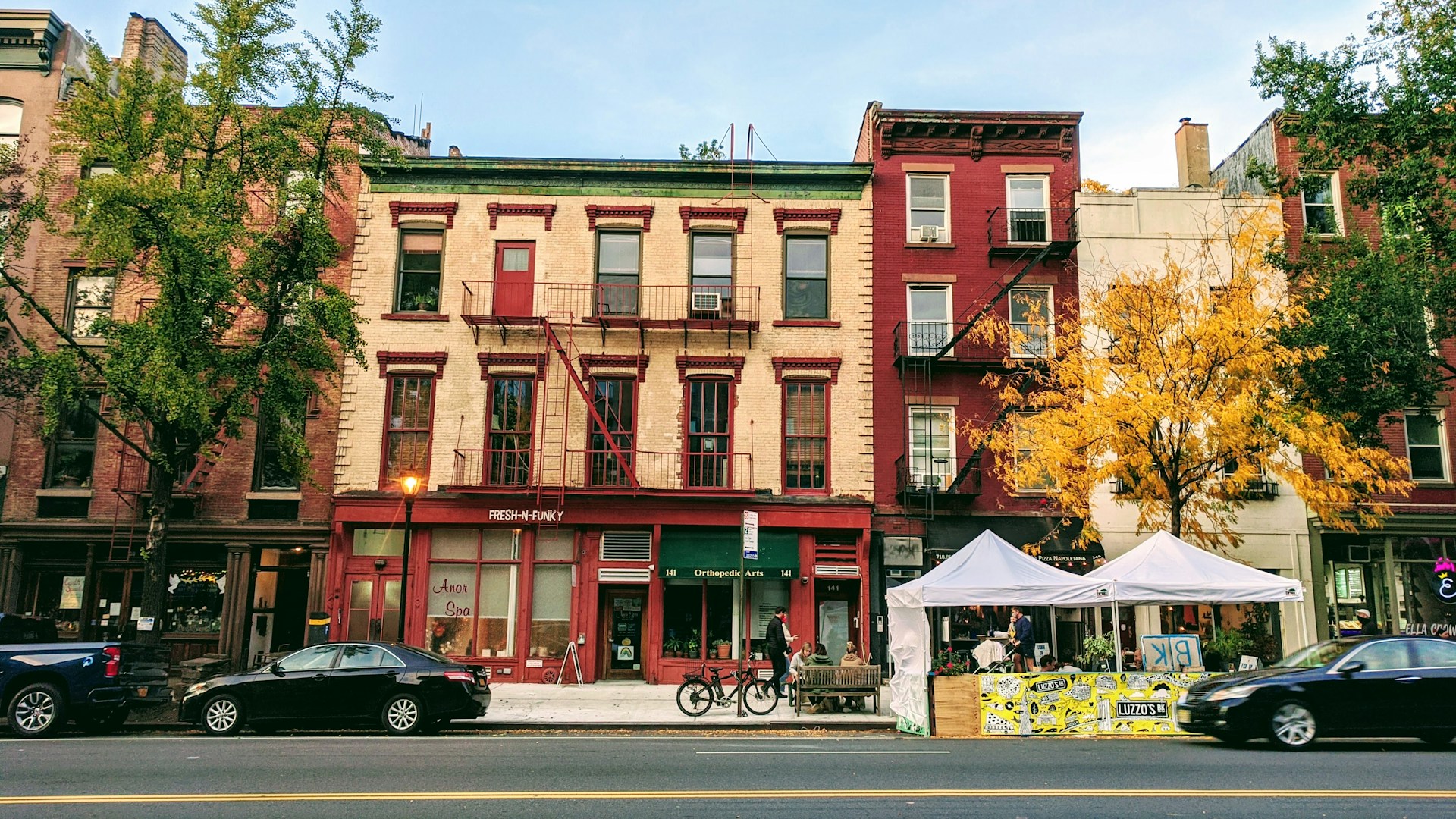
In a typical year, the transition from summer to fall in New York City property management is manageable — renewals go out, heating systems get serviced, the leasing pace slows after Labor Day. This year is not typical. October 1, 2026 is the convergence point for three separate obligations that each carry real consequences on their own and are compounding into a genuinely unusual pressure period for building owners across all five boroughs.
The rent freeze takes effect October 1. Heat season begins October 1. And starting October 1, every heat or hot water complaint filed against a building will be investigated as its own individual case rather than being absorbed into a building-level pattern. For owners with stabilized units, market-rate vacancies, and any building systems that haven't been serviced recently, the next 10 weeks are the most operationally significant of the year. Here is what needs to happen before that date.
Renewals: The Window Before October 1 Is Still Open — But Not for Long
The rent freeze applies to all stabilized leases commencing on or after October 1, 2026. Renewals completed before October 1 remain under the current RGB Order #57 rules, which allow a 3% annual increase for one-year leases and 4.5% for two-year leases through September 30, 2026. That window is real — but it requires both that the renewal offer be sent and that the new lease commence before October 1. A renewal letter sent in late September for a lease starting October 1 is subject to the freeze, not the prior order.
The NYC rent stabilization rules require renewal offers to be sent between 90 and 150 days before the current lease expires. If a tenant's lease expires September 30, the 90-day window to send the renewal opened July 3. If it expires October 31, the 90-day window opens August 1. Owners who have stabilized units with leases expiring in September and October need to know exactly where each lease stands and whether a renewal offer has been sent — because the difference between a lease commencing September 30 and one commencing October 1 is the difference between a 3% increase and 0%.
For market-rate units, the renewal question is different. There is no freeze on unregulated leases — those continue to be governed by what the market will bear. StreetEasy data shows asking rents across the city have risen 4.8% year over year, with the steepest increases in Manhattan and premium Brooklyn neighborhoods. The summer pricing window — when demand is highest and landlord negotiating power is strongest — runs roughly through mid-September. Market-rate renewals being negotiated now can be priced against the current record rental environment. The same conversations happening in November will be negotiated against a softer seasonal dynamic where landlords are more motivated to avoid winter vacancy and concessions become more common. If you have market-rate units with leases expiring in October or November, starting the renewal conversation now rather than in September is the right move.
Heating Systems: October 1 Is Not a Deadline to Aim For — It's a Deadline to Beat
New York City's heat season runs October 1 through May 31. During that period, building owners are legally required to maintain indoor temperatures of at least 68°F between 6 a.m. and 10 p.m. when outdoor temperatures fall below 55°F, and at least 62°F overnight. Failure to meet those standards is a Class C immediately hazardous violation — the most serious category in the housing maintenance code — carrying a $500 per day penalty plus HPD-initiated repair costs if the owner doesn't comply.
That requirement exists every year. What's new in 2026 is the investigation protocol. Starting October 1, heat and hot water complaints will each be investigated as individual cases rather than being treated as duplicates from the same building. With 300,000 heat complaints filed in 2025, the volume gives you a sense of how aggressively this will be enforced under the new protocol. Every complaint now creates its own case record, its own compliance timeline, and its own potential penalty exposure.
Boilers and heating systems that haven't been professionally inspected and serviced since last season are a liability right now, not a future problem. The right window to schedule inspections, replace worn components, and certify system readiness is August and September — before the heating season starts and before the new complaint protocol is in effect. Doing it in October after the first cold snap, when HVAC contractors are already fully booked and a complaint may already be filed, is the wrong sequence. Book the service call this week.
Compliance: What Else Needs to Be in Place Before October 1
The rent freeze and the heating system are the two most time-sensitive obligations, but they sit alongside a compliance calendar that has been dense all year and doesn't let up in fall. A few items worth confirming before October 1:
Local Law 86 notices. If your building has even one rent-stabilized unit, bilingual notices informing tenants of stabilization status must be posted in common areas. This has been in effect since January 26, 2026. If you haven't confirmed the notices are posted and compliant, that's a straightforward item to check off now.
HPD registration. Building registrations must be renewed annually with HPD by September 1 each year. An unregistered building cannot pursue nonpayment proceedings in housing court — meaning any tenant who stops paying rent while your building is unregistered has additional leverage you don't want to give them. Confirm your registration is current before September 1.
Open HPD violations. The Fix the City program and the broader enforcement posture of the Mamdani administration have raised the stakes for buildings with accumulating open violations. A pattern of unresolved violations puts a building on HPD's radar in a way it may not have previously. Review your building's violation status on HPD's website and prioritize clearing any Class C immediately hazardous violations before fall.
Local Law 152 gas piping inspections. Community Districts 4, 6, 8, 9, and 16 — covering neighborhoods from the Upper East Side and West Harlem to Forest Hills, Bushwick, and Crown Heights — have a December 31, 2026 filing deadline. If your building is in one of those districts and the inspection hasn't been scheduled, the window to complete it and file through DOB NOW before year-end is narrowing. Gas inspections require a Licensed Master Plumber and cannot be rushed through at the last minute.
Tenant Communication: The Lease Transition Is an Opportunity, Not Just a Compliance Exercise
The rent freeze creates an unusual communication moment for owners of stabilized buildings. Tenants who receive a renewal offer at 0% — when they may have been expecting an increase based on prior years — are likely to read it with some skepticism, some surprise, and possibly some questions about whether it's correct. Being proactive about that communication rather than waiting for tenants to ask is the kind of gesture that distinguishes a high-road building operation from one that keeps tenants at arm's length.
A brief letter accompanying the renewal offer explaining the freeze, confirming the 0% rate is correct and legally required, and noting the lease commencement date takes five minutes to write and creates goodwill that has real value. Tenants who feel informed and respected by their building management are more likely to renew without conflict and less likely to file complaints with HPD when minor issues arise. In a regulatory environment where every complaint now generates its own case record, that difference matters more than it did a year ago.
For market-rate tenants whose leases are coming up, the summer window is also the right time to have honest renewal conversations. Tenants who are informed about the current market — what comparable units are renting for in the neighborhood, what the pricing trend has been over the past 12 months — are more likely to understand and accept a renewal increase than those who receive a letter with a higher number and no context. Transparency is not just courtesy in this market. It's strategy.
The Summary: What Needs to Happen in the Next 10 Weeks
Across all of the above, the action items before October 1 come down to a focused list. Confirm renewal offer status for every stabilized lease with a September or October expiration date. For market-rate units expiring in October or November, start renewal conversations now rather than September. Schedule boiler and heating system inspection and service before September. Confirm Local Law 86 notices are posted in every building with a stabilized unit. Renew HPD registration before September 1. Review open violations and prioritize clearing Class C items. Schedule Local Law 152 gas inspections if your community district has a December 31 filing deadline.
None of these items is complicated in isolation. What makes them consequential is the convergence: all of them matter more this fall than they have in prior years, because the regulatory environment has changed, the enforcement posture has intensified, and October 1 is carrying a heavier load of obligations than any previous fall deadline in recent memory.
At Dover Property Group, fall preparation is part of the operational calendar we manage for every building we work with. If you want to confirm where your building stands on any of the items above, or if you want support getting the renewal process, heating system service, or compliance review done before October 1, our team is ready to help.
Sources: Traders Union — NYC Rent Freeze: Stabilized Apartments from October 2026 · StreetEasy — 5 NYC Housing Market Predictions for 2026 · SharedEasy — Best Time to Rent an Apartment in New York: A Seasonal Guide · amNewYork — NYC Launches Fix the City Program to Crack Down on Problem Landlords · NYC HPD — Heat and Hot Water Requirements · NYC HPD — Register Your Property · Financial Content — Expert Analysis NYC Rental Market Trends and Compliance 2026
About the Author
Dover Property Group is a New York City property management firm working with building owners and tenants across all five boroughs. Our team tracks market conditions, compliance requirements, and neighborhood-level trends to help owners protect their assets and tenants navigate one of the most complex rental markets in the country.