


The NYC Rent Guidelines Board Votes June 25 — Here's What Every Brooklyn Property Owner Needs to Know
A binding vote on rent increases for all stabilized apartments is coming June 25, 2026. With Mayor Mamdani's majority on the board and a preliminary vote already signaling a possible freeze, Brooklyn landlords with stabilized units are facing real uncertainty heading into the next lease cycle. This post breaks down what happened, what's still possible, and what owners should be doing right now.
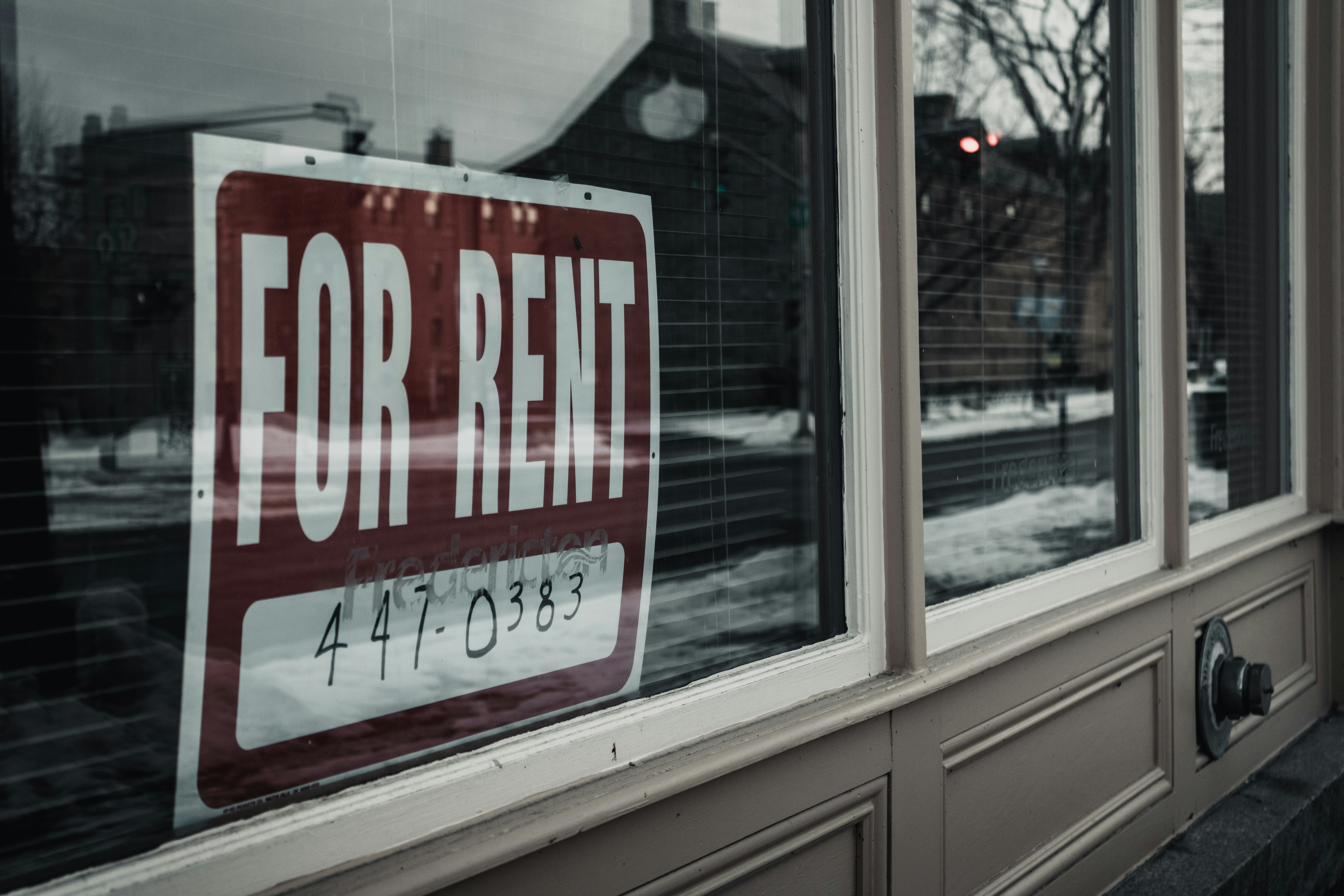
If you own rent-stabilized property in Brooklyn, the most consequential date on your calendar right now is June 25, 2026. That's when the New York City Rent Guidelines Board will cast its final vote determining what landlords can charge stabilized tenants on leases beginning October 1, 2026 through September 30, 2027. The outcome of that vote will affect roughly one million rent-stabilized apartments across the five boroughs — and a significant number of those are in Brooklyn.
The situation is more uncertain than in recent years, and the stakes are higher. Here's what's happened so far and what it means for owners managing stabilized inventory.
What the Preliminary Vote Actually Said
In early May, the RGB cast its preliminary vote — a required step that sets the range the board will consider before the final decision. The board approved a range of 0% to 2% for one-year leases and 0% to 4% for two-year leases. That range includes the possibility of a full rent freeze — something that hasn't happened outside of the pandemic since Mayor de Blasio's tenure — but it also leaves room for a modest increase.
The political context matters here. Six of the nine RGB members were appointed by Mayor Zohran Mamdani, who made freezing the rent a cornerstone promise of his campaign. Tenant-aligned board members initially pushed for a range that would have rolled rents back — proposing between -3% and 0% on one-year leases. That measure failed. Landlord-aligned members countered with a range of 3% to 5.5% on one-year leases. That also failed. The approved range represents a compromise between those positions, but one that still allows for a 0% outcome.
What the preliminary vote did not do is lock anything in. The final vote on June 25 will determine the actual number — and until that vote, the current Order #57 still controls all renewals, meaning leases commencing now through September 30, 2026 remain subject to the existing caps of 3% for one-year leases and 4.5% for two-year leases.
The Landlord Argument and Why It Has Not Gained Traction
Small property owners have been vocal throughout this process. Ann Korchak, board president of Small Property Owners of New York, called the preliminary vote "reckless and irresponsible," arguing that the board is ignoring skyrocketing costs for property tax, insurance, utilities, and repairs — costs that have outpaced the increases the RGB has allowed. According to board staff reports, landlord costs outpaced inflation between 2025 and 2026, even as landlord income was up 6% in 2024.
That tension — rising operating costs on one side, political pressure to freeze rents on the other — is not new. But it is sharper this year than it has been in some time. For owners of small stabilized buildings in Brooklyn, where operating costs are real and margins on regulated units can be thin, the outcome of the June 25 vote has direct implications for cash flow, maintenance budgets, and long-term viability of the building.
What This Means for Brooklyn Owners Right Now
The practical steps for stabilized property owners between now and October 1 are fairly clear, even with the vote outcome still unknown.
First, understand your renewal timeline. Landlords must offer renewal leases between 90 and 150 days before the current lease expires. For tenants whose leases expire after October 1, any renewal offer sent now that sets a rate above what the RGB ultimately approves will need to be reconciled. Sending renewals without knowing the final vote outcome is a compliance risk worth managing carefully.
Second, get your documentation in order regardless of the vote outcome. Whether the board lands at 0%, 1%, or 2% for one-year leases, the requirements around proper notice, lease language, and DHCR registration remain the same. A compliant renewal process protects you whether a tenant accepts the renewal quietly or challenges it.
Third, think about your market-rate units separately. The RGB vote applies only to stabilized inventory. For market-rate units turning over this summer, the rental market data — Brooklyn's median rent at $4,150 with inventory near a four-year low — still supports current asking rents. The dynamics for those units are driven by supply and demand, not by the RGB calendar.
What Comes After the Vote
Whatever the RGB decides on June 25, the broader regulatory environment for stabilized housing in New York City is not getting simpler. The Mamdani administration has been clear that tenant protection is a policy priority, Local Law 86 is already in effect, and enforcement activity by HPD and DHCR has been a consistent theme throughout 2026. Owners who treat compliance as a once-a-year exercise are operating with more risk than those who track it as an ongoing part of building management.
At Dover Property Group, we monitor the RGB calendar, track renewal deadlines for stabilized units, and help owners stay ahead of compliance requirements rather than catching up to them. If you have stabilized units and want to understand how the June 25 vote affects your specific renewal cycle, reach out to our team directly before that date — not after.
Sources: NY1 — Rent Guidelines Board Preliminary Vote May 2026 · The City — Rent Freeze No Sure Thing in First Vote by Mamdani-Majority Board · Skybriz — NYC Rent Freeze 2026: What Mamdani's RGB Vote Means for Your Lease · Brick Underground — RGB Preliminary Vote 2026 · RentReboot — NYC Rent Freeze 2026 Guide · Relocity — New York Rental Trends Report